Let’s be completely honest: I have a book addiction. Ever since the age of seven, I’ve been addicted to reading a new book whenever I had the chance. In the fifth grade, my teacher had lent me a book for me to read over the summer and it changed my life (we might discuss said book soon). At the age of 25, I was catching myself reading everything from women’s studies, world history, business and philosophy. Reading is such a powerful tool and it can help us develop stronger advocacy for marginzalized communities. There’s so much that come from writers who share so many different experiences but utilize them to share information and motivate their readers to advocate for them. It’s honestly a shame that books in the U.S have been getting banned or being put on a list so that this information cannot be shared; we could be better in a diverse society if we knew the background. Since I love a good book recommendation, let me share my current favorites.
[Author’s Note: As I’ve mentioned before, I’m a book addict. I’m also in the process of building my book collection, so more book recs could be on the way]
Dear Ijeawele, or a Feminist Manifesto in Fifteen Suggestions & We Should All Be Feminists by Chimamanda Ngozi Adiche:
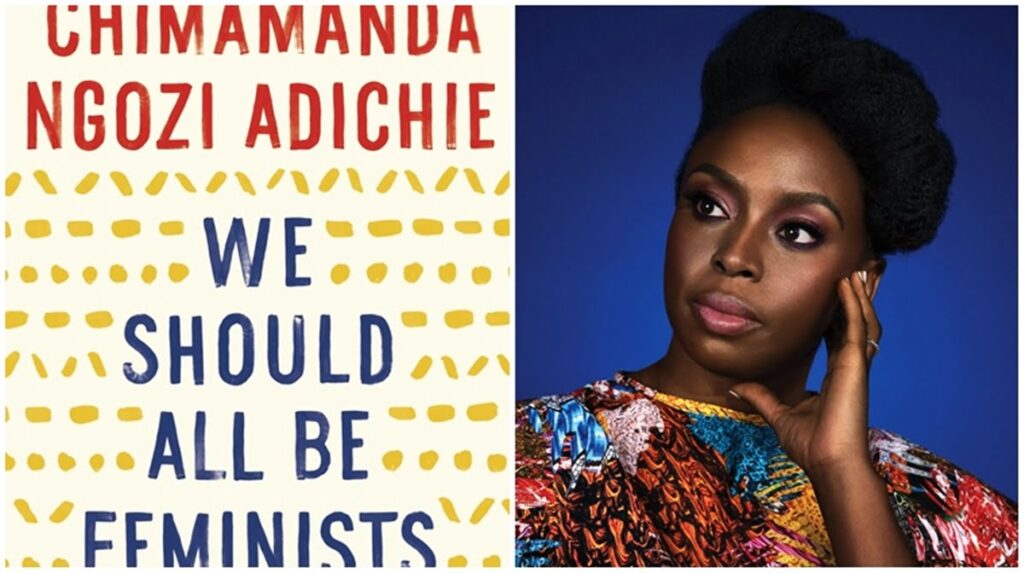
I fell in love with the work of Chimamanda Ngozi Adiche after watching her Ted Talk on the danger of a single story in my women’s & gender studies class. She discussed that if hearing one single story, it can risk misunderstandings. It’s like if you heard one story about Chicago having lots of crime and only knew the city for the negative connotation of violence and misunderstanding the beautiful side of Chicago such as the wide diversity, the architecture and the many ghost stories lying in Lincoln Park Zoo.
Both books are easy reads and define feminism in the best way (in my opinion). Dear Ijeawele is a great book for first-time parents wanting to teach their children about feminism. Although the book is a letter to Adiche’s childhood friend offering suggestions on feminism to help raise her daughter, I think this could be a beautiful read for parents wanting to break free of generational trauma and find new ways to create a new and healthier family structure.
We Should All Be Feminists is an extension of Adiche’s “the danger of a single story” Ted Talk, where she mentions the stereotypes behind feminism and moves past it to give her definition. She also touches upon her other works and her experiences as a Nigerian woman. For those who are more interested in learning more about feminism beyond the stereotypes and experiences from POC women, I would recommend, not only the texts, but her Ted Talks as well.
Bad Mexicans: Race, Empire & Revolution in the Borderlands by Kelly Lytle Hernandez:

Honestly, any work written by Kelly Lytle Hernadez is a great piece of advocacy for Latin Americans and Latin immigrants. Bad Mexicans is a historical book that touches upon the magonistas, whose stories would soon result in the introduction to the Mexican American population. The 1910 Mexican Revolution is a crucial part of history and the magonistas are not talked about in schools. There’s so much to learn about Mexicans and Latin Americans, especially during a time where there is such a misunderstanding behind the history of immigration and the process to become a U.S citizen.
In school, I was never educated on anything about Latin American immigration (well excluding that one book that I’ll get to) until my third semester in college during Latin American studies. Not many kids I know are learning about Latin American culture and history besides very few wars Mexico was involved in. Not many kids are educated on the inclusion Latin Americans in the development of U.S History such as WWII and the creation of Latin communities, so reading Bad Mexicans would broaden the background behind Mexican history.
Down with the System: A Memoir (Of Sorts) by Serj Tankian:
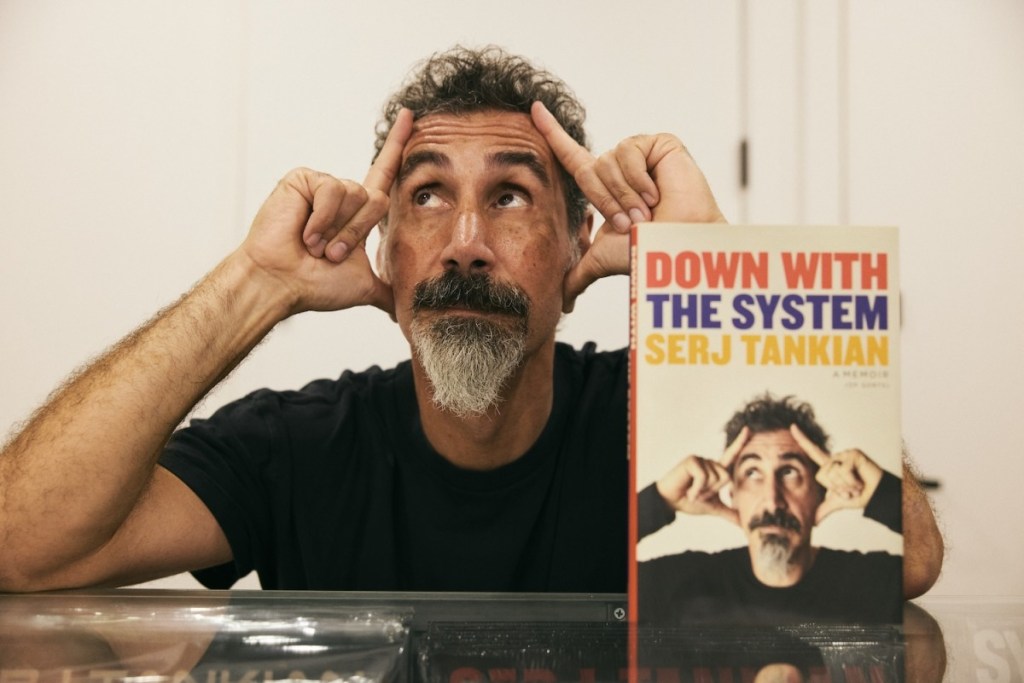
This has been my favorite biography and pairing this with the music of System of a Down makes it 100 times better. I’ve been listening to SOAD since my sister introduced me to them at the ripe age of four. Although I didn’t understand the context of “Chop Suey!” at the time, I grew to understand the mix of Armenian folklore and rock with the stories revolving government corruption and genocide.
Serj Tankian begins his memoir with his grandparents’ stories during their ordeal during the Armenian genocide and the timeline that brought him from Beirut, Lebanon to Los Angeles, California. Serj also discusses his connection to his culture and his advocacy for Armenian rights. This soon birthed the music of SOAD and his coffee brand Kavat.
Reading Down with a System gives a perspective of the experiences Serj’s family had with being discriminated as an Armenian and losing distant members to the genocide and how this shapens his influence to advocate for, not only Armenian rights, but human rights. This is definitely a good read for advocates.
[Author’s Note: This also becomes an exciting read, especially with the knowledge that SOAD will be performing again later this year. I might become a whole different person if I hear “Prison Song” live.]
Esperanza Rising by Pam Munoz Ryan:

Ah yes, my advocate origin story begins… In my fifth grade class, I was given this book to read over the summer. The book is about a young girl from Aguascalientes, Mexico named Esperanza. She was living a simple life in Aguascalientes until tragedy strikes and her mother takes her to California during the Great Depression to work in a camp and develop a new life.
Although I was growing up learning about my mother’s experience being an immigrant from Guanajuato, my first exposure to the emotions that goes into immigration was from Experanza’s journey to California. I felt a lot of empathy for this fictional girl who faced so much loss and sudden changes. It made me think a lot about my place as a first generation daughter.
This is a great read for children learning about immigration and Mexican culture. It helped shape my thinking on immigration at a young age, and I would love for more people to read books like this.
As I continue to read through the books overfilling my bookshelf and impulse buy new books that will overfill the bookshelf even more, I’ll continue to create new recommendations. Books are amazing forms to teach everyone around us to advocate for everyone, from women, to the Latinx community and beyond.
 Advocacy in April
Leave a comment